Mogwai - KIN Original Motion Picture Soundtrack

Bands that occupy their own universe are either adored or ignored.
In modern times the most obvious example is Radiohead; say a bad word against them in the wrong company and their devotees will have your head on a spike. Alternatively, sing their praises to one who hasn’t delved into their oeuvre and you will most likely be met with an air of indifference. You know the ones; they’ve heard of them but have zero interest.
In Scotland, Mogwai garner similar responses. Held close to their hearts by the faithful, the Glaswegians have gone against the grain. After well-received debut Mogwai Young Team followed Come On Die Young which, in some quarters, failed to meet rabid expectations. Ever since then, offerings have always operated in the shadows, which you sense is where they feel most comfortable anyway. Largely devoid of lyrics, it can often seem inaccessible to untrained ears.
So when the then-quintet (guitarist John Cummings departing in 2015) ventured into the realms of soundtracks, it was a comfortable fit. Slightly incongruously, their first foray was for a documentary about French football legend Zinedine Zidane before contributing to Darren Aronofsky’s surreal The Fountain, which seemed much more in line with their sensibilities.
And so to their first full film soundtrack; KIN, a science fiction (would it be anything else?) action film. Based on the soundtrack, it’s likely to be a very tense film. The standout track is also the last; ‘We’re Not Done (End Title)’ features Stuart Braithwaite in one of his rare ventures to the mic-stand. It’s upbeat and almost poptastic with lyrics about fighting one’s past and holding back fear, unusually optimistic for anything under the Mogwai name. It’s also, by pure coincidence, the best thing they have done for a while.
That’s not to say the preceding eight tracks are lesser, but they are much more traditionally atmospheric. The score is hung around a piano-centric frame, the watchword in the studio must have been ‘brooding’ as the ivories provide a sense of unease which hangs over the entire score. ‘Funeral Pyre’ is fittingly named, a piece of maudlin, strung-out beauty. ‘Flee’ is all scattering soundscapes and cacophonous drums, and ‘Guns Down’ has a swirling build-up with pay-off to match.
Taken as one piece of work, the film itself has a tall order to match the quality on offer here.
Reading Festival 2018 - Sunday
The third day of a festival is always an endurance test. Some punters will have been on-site for five days, probably their minds and certainly their bodies having been put through the wringer with copious amounts of alcohol, questionable food choices and minimal sleep.
Therefore, the acts tasked with performing on Sundays have to work that little bit harder for attention and acclaim. Adding to all this, on the Sunday at Reading Festival 2018 there was also the grottiest possible weather; the rain and wind washing away any last semblance of humanity from the 80,000 punters.
This year, Twisted Wheel had the enviable task of opening the Radio 1 tent for its final furlong. The last few years haven’t been kind to these indie kids; just shy of a decade ago they were being lauded as the next great hope with Oasis support slots to boot. Several misfortunes have befallen them since, but if they are brow-beaten by their experiences they don’t show it. The crowd can’t have been a three-figured amount, but the boys played like they were back at Wembley, with oldie ‘She’s A Weapon’ being the highlight.
On the Main Stage, Shame brought things right back up to date. Themselves also Great White Hopes, but for 2018 rather than 2008, the south Londoners are an alternative to the more aggressively political overtures of Slaves and Idles, being more conventionally indie. In truth, they aren’t Main Stage players just yet, falling slightly flat (although not through lack of effort on their part) because of the conditions and Sunday cobwebs. This shouldn’t be the last Reading Festival sees of them.
Peace filled in the surprise slot of the day over on the BBC Introducing Stage. The Brummies are nearly veterans of the festival circuit now and have several tricks in their armory. The latest one is to open with a cover of pop midget Avril Lavigne’s early 00s hit ‘Complicated’, which got the sizeable crowd bopping in their wellies. ‘Lovesick’ and ‘Higher Than The Sun’ sustained the mood, interspersing with the 11-minute ‘1998’ and offerings from their most recent album Kindness Is The New Rock And Roll. Finally, the cobwebs were starting to be blown away.
Back in the Radio 1 tent, DMAs picked up the baton readily – after a summer of extensive touring, they know how to play the crowd. Their Australian sundances worked; upon leaving the tent, the rain had stopped, the ponchos were off and it was time to get serious.
The Festival Republic tent had Spector reminding everyone that they weren’t dead. Another band who have yet to fulfill their early promise as Pulp covering The Killers, unsurprisingly all of what one assumes is the new material fell flat, but ‘Chevy Thunder’ and ‘Celestine’ are still capable of getting a crowd moving.
Meanwhile, back on the Main Stage, The Vaccines were the first of the final indie big-hitters. Although he’s their songwriter, Justin Young’s limitations vocally have always been the band’s Achilles’ heel, but whatever steps have been taken to remedy this are paying off. More musically muscular, the quintet thoroughly rocked the stage and Young was the consummate frontman. The newer material sits well alongside ‘Wreckin’ Bar’, a guaranteed mosh-starter, and ‘20/20’’s frantic oeuvre. However, they’ve yet to come close to ‘All In White’, wisely included here.
And so the sun sets and the big boys come out to play. The Courteeners are perhaps the most curious act in rock today; ignored by scenesters and largely by the press, they can sell out Heaton Park in their home-town and must have played Reading countless times. Their ascent up the bill has been glacial – now only one step away from the top, they auditioned for the headline slot in relentless fashion. A career-spanning set, the highlight ‘The 17th’, one of their most recent singles, is a subtle banger driven by synth keyboards, a world away from the cranium crushing ‘Cavorting’, which was also given an airing.
Sure as eggs is eggs, the set closed with ‘Not Nineteen Forever’ and ‘What Took You So Long?’, complete with the usual sprinkling of James’ ‘Tomorrow’. It would be interesting to see what would happen if these songs were somewhere (anywhere) else in the set. Still, an impressive showing nonetheless.
Reading Festival has taken a lot of criticism this year, mainly for its diversity, but one suspects if they had had anyone else in as their headliner, they may not have had such bad press – no-one likes Kings Of Leon anymore do they?
After the mega success of Only By The Night a decade ago, it has been a slow, drawn-out slide into irrelevance. Still capable of selling out arenas, purely on the basis of ‘Sex On Fire’ and ‘Use Somebody’, their last three albums have largely passed by unnoticed. Wisely, the boys focused on the mid-section of their now long career for this headline set and, freed from pressure, looked at their most assured and confident for years. You know when you are so impressed with a set, but afterwards reflect on what else they could have played? This was one of those. The set had the perfect balance of crowd-pleasers and deep cuts; for every ‘Fans’ there was a ‘Knocked Up’, for every ‘Radioactive’ a ‘Taper Jean Girl’.
Whisper it, but it might be time to start paying attention to them again.
White Denim - Performance
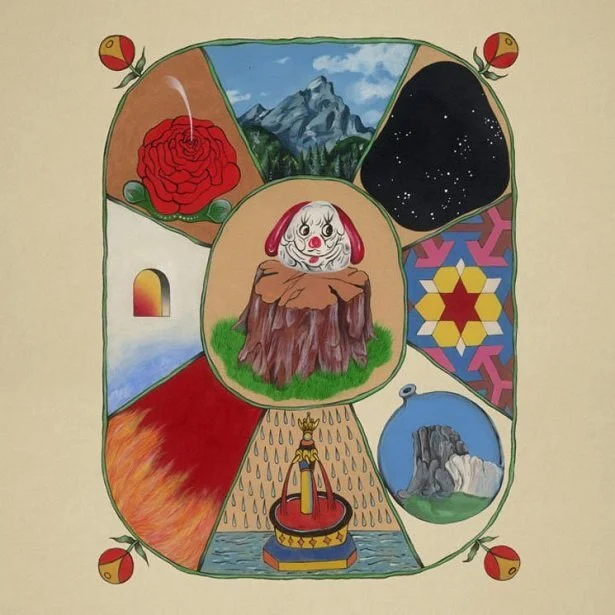
White Denim have followed a similar career trajectory to The Black Keys. Prolific in their early years, progressing from garage rock through boogie-woogie blues, stopping off for some progressive jazz flirtation along the way, they’ve built up something akin to a cult following.
In 2016 they released the album Stiff, which managed a degree of mainstream success and they’ve now expanded to become a four-piece, recording their latest album in eight weeks spread across twelve months. Will follow-up Performance be their El Camino?
It certainly has the potential to be so. This is a blistering rock album, a brief but potent blast that, while mainly taking its cue from the 1970s, manages to harness a classic sound and yet feel very modern.
Recent single ‘Magazin’ is the best song not on T.Rex’s Electric Warrior, the use of horns on the chorus supplying the swagger and sway as the lesser-used saxophone makes up a solo which disappears into the ether and then comes back again.
The upbeat title-track never sits still, while ‘Fine Slime’ starts with darting guitars and then moves on to an outro which commences as a funky workout before some strange voices fade into the mix, then bends out again to let the band pick up where they left off. If White Denim weren’t so tight one would think it was an improvised jam.
There is no other word that can describe centre-piece ‘Double Death’ than bonkers. Initially we’re in Sly & The Family Stone territory before frontman James Petralli’s vocals become distorted and surrounded by hand-claps, trumpets and wah-wah guitar.
It’s all a bit overwhelming at first, but it certainly ups the serotonin levels. ‘Moves On’ later ventures into psychedelic territory, sounding like what would happen if Pink Floyd had upped their average BPM whilst David Gilmour was on speed. The interaction between the band is again razor-sharp.
Bringing things back down to earth, ‘It Might Get Dark’ sounds like an off-cut from Exile On Main Street with a mid-section that copies Ocean Colour Scene’s ‘Up On The Downside’ to a t. One can’t imagine these rootin’ tootin’ Texans ever seeking inspiration from the Brummy Mods, but these are strange times we live in. Elsewhere, Petralli lets rip vocally on ‘Backseat Driver’, which stands out for its shuffling percussion.
The album flies past at breakneck speed, never letting up in either tempo or tone. In truth, it could do with one or two slower pieces to provide some breathing space from the freneticism, but that’s a minor quibble. That’s what Sunday mornings are for. This is a Saturday night album.
Interpol - Marauder

Interpol have managed to survive the early noughties American explosion better than most and have arguably flourished without Carlos D; one could argue that, whilst adding coolness and X factor, he was often a sideshow that distracted from the main event.
Their sixth album Marauder offers full closure from the split and demonstrates a band now comfortable to express themselves more succinctly.
Opening proceedings, ‘If You Really Love Nothing’ gallops along with a melancholic rhythm which befits the title of the album. A mid-paced number, it recalls mid-period Kings Of Leon before fame and fortune consumed their creativity.
You should all know ‘The Rover’ by now, built around a chiming riff it’s frenetic, vital and a perfect pop song. It builds, but in a subtle way, little details being added as the song progresses; more drive to the rhythm guitar on the second verse, the ‘uhs’ before the second and preceding choruses, the drum fills becoming busier and lastly the pace ever so slightly quickening for the final chorus. For a band perennially associated with darkness, to have released the song of the summer is quite a feat.
Complications has a fuller sound than normal, the chorus rolling around this seesaw of a song with noticeably fluctuating melody and bass, meanwhile ‘Flight Of Fancy’ has next single written all over it. The chorus is a little more optimistic than its surrounding and the outro is cut criminally short – one imagines it was the unfortunate victim of some serious editing. Indeed, Marauder has many contenders for singles, in particular ‘Mountain Child’ which recalls their finest hour, ‘Slow Hands’, the chorus upping the stakes significantly from the verse to be a defiant, sky-kissing beauty.
Interpol’s secret weapon has always been drummer Sam Fogarino. Secret no more; ‘Stay In Touch’ opens with a classic Interpol riff but is a slow, brooding beast before Fogarino takes centre stage as the song winds down, veering into jazz territory with his free-form drumming. Throughout the whole album the hi-hat gets put through its paces, and it’s no surprise to learn that he broke a kick drum due to such heavy hitting during recording. Never at less than 100%, the drums are the backbone of the album.
That said, there isn’t a huge amount of variation from their traditional formula of chiming licks, pronounced bass and an overall dread-laden, claustrophobic air. At one point, it works against the band in the most ironic way; we all know the influence Interpol had on Editors, but on ‘NYSMAW’ things come full circle. Paul Banks’ resemblance to Tom Smith’s vocals is uncanny, right down to his intonation on the higher notes. It’s one of two or three tracks that could have been jettisoned.
However, the most indispensable tracks are the interludes. Arguably the best songs on the album (this is not meant as a dis-service), they both act as tent poles for the rest and add a cinematic atmosphere that foreshadows the coming winter months, almost disconcertingly so. On ‘Interlude 1’ you can almost see the breath in the air.
The highlight, though, has to be the aptly named ‘Number 10’. With a great opening 50 seconds that evokes The Edge’s stadium-filling riffs, it explodes into life with a deftness of touch (by their standards) that is missing from the rest of the album. Well, apart from closing track ‘It Probably Matters’, which feels like the first ray of sunrise, Banks yearning to be ‘on the beach with my friends’. After a sometimes intense listening experience, its optimism offers promise for the future.
More than most, Interpol generate a feeling. It’s probably closest to what we know as anxiety, fuelled as it is by self-doubt but also dichotomised with righteousness.
Marauder is a perfect honing of this trademark sound, but with added aplomb.
Slaves - Acts Of Fear And Love

The rapid decline of the NME was palpable. From late 2015 until earlier this year, it was little more than an entertainment rag, a tabloid version of Shortlist. It really died in summer 2015, when it stopped being a paid-for magazine. Its last issue a celebration of its history, so it’s fitting that the last band to take the coveted…cover was Slaves.
Kent’s finest represented everything the NME once stood for: aggression, passion and a punk ethos that is too pervading to be anything other than pure. Their last album, Take Control, whilst not exactly a mis-step, didn’t push them to the heights that were justifiably anticipated after the promise of their debut Are You Satisfied?. Released in 2016, the sophomore effort may have suffered from the its title, ‘Take Back Control’ having certain negative connotations to the more pro-European music fan.
Whilst speculation, it would be incredibly ironic if that was the case as Slaves deliver the most pertinent anti-establishment rhetoric heard in rock music for years on ‘Bugs’, despairing about ‘another let-down generation’ and ’inaccurate information’. The vitriol towards certain elements of society continues on ‘Magnolia’, its title taken from the most common colour of wall in the UK, with allusions to sides of buses. Needless to say, it’s all backed by ferocious drums and nuclear guitars. First single ‘Cut And Run’ is Slaves of old, it being lyrically repetitive in both verse and chorus without needing anything more.
Although succinct at 9 tracks (considerably shorter than Take Control’s 14), Acts Of Fear And Love isn’t just all ferocity. Ellie Rowsell of Wolf Alice makes an appearance on ‘Daddy’, adding her usual breathy vocals to a lament (by Slaves’ standards) about the pressures of fatherhood. Structured only around a meandering guitar, it’s a pleasant draw of breath after the bludgeoning of the senses provided by the opening numbers. Recent single ‘Chokehold’ has the lyrical content of a ballad, singer/drummer Isaac Holman dealing with the age-old themes of how fragile the male ego is in the aftermath of a broken relationship. But a ballad it ain’t.
The album has echoes of some of Greater London’s previous heroes; ‘The Lives They Wish They Had’ recalls Graham Coxon’s more frustrated moments in Blur, and the title-track resembles some of that foursome’s experimental elements from their self-titled effort. And, of course, the spirit of The Clash and the Sex Pistols runs throughout. As we all know by now, the band consists of only two members, but like The White Stripes before them the cacophony made is nevertheless impressive.
There’s nothing like British punk. At its height it changed the country – we could do with such a revolution again. Unfortunately, we are all a bit too wise and cynical these days to fall for it, at least those of us that look up from our phones. But in a time when established rock bands are shamefully distancing themselves from our present political and social quagmire (we’re looking at you, Manic Street Preachers), we need the message to be loud and clear.
Compelling and compulsive, Acts Of Fear And Love takes no prisoners whilst grabbing that megaphone gleefully.
Miles Kane - Coup De Grace
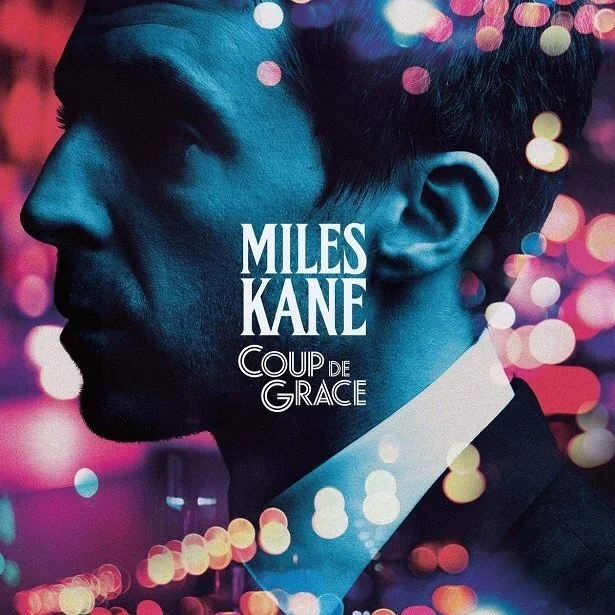
It’s by now a well-worn cliché, but like all clichés it’s based on an unempirical truth: Miles Kane is the most well-connected man in music.
However he may also be one of the hardest working, and certainly the most tenacious. For the uninitiated, a quick recap.
After starting out and finding limited success with The Little Flames and then The Rascals, our hero struck up a bromance with Alex Turner, the pair quickly releasing an album under the guise of The Last Shadow Puppets which was drenched in Scott Walker-esque strings and melodies. A great success, the album brought more collaborative opportunities for young Miles while an association with Arctic Monkeys began on live favourite 505.
So Kane was in an unusual position; a successful and recognised musician without an outlet to call his own. After two ‘failed’ bands, he chose to go solo. Coup De Grace is his third album since, the first two featuring contributions from Clemence Poesy, Noel Gallagher, Paul Weller, Gruff Rhys, Ian Broudie, Andy Partridge, Guy Chambers and his compadre Turner. Quite an impressive roll call.
Now, after another dip into the Shadow Puppets, more names join the list; indie hero Jamie T – who co-wrote seven songs on the new album – illustrious popster Lana Del Ray and American act Mini Mansions. He gets by with a little help from his friends alright.
Enough of the pedigree, what of the actual music? Well, it’s another strong indie-rock album. Kane has a formula that works for his solo albums and happily experiments with his band – the formula is frantic guitar-driven anthems, interspersed with more heart-wrenching muses. However, rather than recalling 60s garage rock, the 1970s runs through this album like a stick of rock.
Marc Bolan is the main touch-point, specifically on ‘Cry On My Guitar’. It’s a cracking single, bringing the sexiness of the guitar that made T-Rex such a phenomenon. The disco-inflected title-track, however, has a guitar riff that could make Nile Rodgers ask for a birth certificate.
First single ‘Loaded’ has a US west coast strut, while Jamie T’s influence is most keenly felt on ‘Too Little Too Late’, it being a frantic opener that bursts proceedings into life and which would have sat well on either of the Londoner’s own first two albums. Kane has got a strong set of lungs too; on ‘Wrong Side Of Life’ he begins as Thom Yorke but ends as Richard Ashcroft.
By sheer force of will, Miles Kane has made himself a heavyweight on the indie scene. There is a lot to be said for that, and he does his best to expand his sound at every juncture.
Coup De Grace is unlikely to win him many new fans, but is a worthy addition to a now impressive body of work.
The Coral - Move Through The Dawn

Ordinarily, if a band take a ‘hiatus’ it’s the beginning of the end.
Often it will become permanent, or if they do return and record more albums it will likely adhere to the law of diminishing returns; there is a posse of ragamuffin, cosmic psychedelic scousers that would take offence to this statement.
As is gospel, The Coral Aren’t Like Most Bands. With an impressive output of six albums in eight years, in 2010 they went on a break to pursue other projects. Being them, even during the sabbatical they released a ‘lost’ album, then in 2016 returned to the fray with the garage-pop of Distance Inbetween. Again, most bands would come back sounding like themselves, yet this album was anything but. Keeping up?
Terrifyingly, Move Through The Dawn is The Coral’s ninth effort, and they have been remarkably consistent across their canon. From the sea-shanty psyche of their self-titled debut, through avant-garde (Nightfreak And The Sons Of Becker), wistful folk (The Curse Of Love) and lots of stop-offs in between, it’s been an interesting trip. And they’ve broadened the pallet once more with this latest offering, with several pleasant splashes of colour across the record, but ultimately this, based as it is around melody and melodrama, could only be The Coral.
Recent single ‘Eyes Like Pearls’ is a Richard Hawley-assisted step into their latest world. James Skelly has always had an under-rated voice, his tones perfectly fitting the gliding opener, while ‘Reaching Out For A Friend’ sustains the pace but adds more weight. Occasionally it veers into the Travelling Wilburys, but there’s no group with a better pedigree.
‘Sweet Release’ is a step back into their last sound, its fuzzy rhythm guitars making it something of an oddity here, but is no less a good tune for that. It doesn’t really go anywhere but is so water-tight as to be compulsive. ‘Love Or Solution’ also harkens back, the inflection and melody akin to the joyful parts of Magic & Medicine. It’s an introspective love song, questioning the societal rules of settling down and sounding like Del Shannon in the process. The Coral have always had open ears. Splendid stuff.
There isn’t an ounce of fat on Move Through The Dawn. ‘Eyes Of The Moon’ should by rights be another minute longer than it is, the haunting flute breathing throughout the track giving glimpse of ideas abandoned. Likewise, ‘Undercover Of The Night’ (sadly not a Stones tribute) is little more than a short but sweet chant, adding layers to the music as it ticks along. ‘Outside Of My Window’ sounds huge, reminiscent of the drama that Phil Spector incorporated into pop music, and ‘Stormbreaker’ puts the bass, so steadfastly and consistently supplied by Paul Duffy, the unsung hero of the band, high in the mix, both holding the song together and standing out from its foreboding company. It stomps whilst simultaneously kissing the sky.
The Coral have never been bothered with trends or music fashion, always operating on their own terms, both keys to their longevity and earning them national treasure status.
Long may they go against the grain.
The Vryll Society - Course Of The Satellite

Deltasonic have been the hosts of some scouse music royalty in the past; The Coral and The Zutons were once part of the stable, while the label was set up by Shack legend Alan Wills. Initially taken under his wing, the late, great Wills would be gratified to see what The Vryll Society have concocted for our delectation.
This has been coming for a long time. Going against the grain, no doubt down to principles of the label, the band have been operating for four years but no album has been rush released. Instead, they’ve been given the opportunity to harness and develop their sound, the resulting album a diverse set of songs that warrants both the time spent and multiple listens.
Their early offerings, none of which make the cut here, were early-Verve mid-paced psyche rock. All that was missing was the incense – to hear a full album in this style would have been enough of a treat – but they haven’t rested on their laurels, and Course Of The Satellite throws other sonic spices into the pot such as trip-hop, straight forward pop and even some funk.
The title-track sets the album’s stall out, it being a burst of sunshine with pin-tight guitars and feather-light, layered vocals, a perfect late accompaniment to the heatwave the UK has been we enjoying/enduring since late June. The music is held together intricately and yet each member is given ample opportunity to shine; ‘A Perfect Rhythm’ is unsurprisingly powered by the same section, all looping bass and shuffling drums, while ‘Andrei Rublev’ is pure guitar heaven. Hypnotic throughout the verses and sky-scraping in the solo, the guitar dominates the song – even the instrument itself is seemingly never quite sure where it’s going to go.
‘Glows And Spheres’ is the outright pop mentioned above. With a gorgeous chorus and vocals to match, it could come from Blossoms’ songbook. ‘Tears We Cry’ follows suit and is perhaps a little too on the nose compared to the cryptic and mystic company it keeps. Next to ‘When The Air Is Hot’, which is gone before it arrives and doesn’t leave much of an impression, it makes for an unremarkable middle section.
Order is restored when latest single ‘Light At The End Of The World’ kicks in. Distorted vocals on the verses really make the chorus stand out, and the repeated refrain, ‘I think you’re gonna like it here’ is hard to argue with. Another recent single, ‘Shadow Of A Wave’, is a nod to their recent past, propelled by that water-tight rhythm section, the guitar veering into 60s garage-rock territory. One imagines it’s great fun live, giving the band ample opportunity to wig out. Elsewhere, ‘Soft Glue’ is almost dub-like, so high up is the bass in the mix.
And then comes the funk: ‘Inner Life’ belongs in a 70s disco with filthy bass and a Nile Rodgers-esque lead guitar. If it wasn’t for Michael Ellis’ oh-so-English singing style it could easily slot into the Shaft soundtrack. You feel like you need a bath as it concludes, but you’d also love to wrap yourself in it for much longer.
Good things come to those who wait then, and Course Of A Satellite is a true testament to that.
Roger Waters - Live at British Summer Time 2018
It’s a rule of thumb that classic songs are timeless because they deal with universal themes. They generally cover the full spectrum of human emotion; love, loss, happiness, friendship. But not entirely.
Corruption, questionable moral behaviour and suffering are no less a part of the human experience, and sadly it’s these elements that make this headline show nothing less than absolutely topical.
Heavyweight support comes from Richard Ashcroft, who is prolonging the renaissance triggered by his album These People two years ago. Adorned in the sparkly jacket first unveiled on an unsuspecting public last week at Liam Gallagher’s Finsbury Park show, Ashcroft treats us to a full set this time. Whilst being perhaps too reliant on Urban Hymns (5 of the 9 tracks), it’s a further reminder of the quality of the album and its legacy.
Roger Waters’ show is everything a Pink Floyd fan could want, apart from the obvious. Whilst purists could debate about certain exclusions, with such a rich back catalogue it would be impossible to please everyone. At first it’s slightly unerring to hear Waters singing tracks originally sung by David Gilmour – ‘Breathe’ and ‘Wish You Were Here’ being the most striking examples – but the quality of the songs in question ensure it’s a fleeting discomfort. Waters doesn’t even attempt ‘Money’, generously giving up the limelight to his lead guitarist Jonathan Wilson who, via the medium of his axe, sends shivers around Hyde Park. All the while an inflatable pig, adorned with the message ‘Stay Human Or Die’, travels around the park.
The pig is just one example of this being a show in the truest sense, although it’s more accurate to call it an assault on the senses. Presented in true quadraphonic style, with different noises coming from different speakers (your reviewer actually thought the nearest speaker was broken before Waters opened with ‘Speak To Me’), it’s a reminder that Pink Floyd were pioneers in their heyday.
As well as the aforementioned pig, for the second set (for it was that type of gig) the stage was transformed into Battersea Power Station, complete with ‘chimneys’ rising from each corner. And as for other visuals, the leader of the free world certainly got a lot of screen time. Either pulling some of his most unflattering poses, or dressed as a baby, we were left with no doubt as to Waters’ thoughts on Donald Trump.
Therein lies the tragedy behind the pertinent messages. When first written, the album Animals was essentially a comment on the decay of society and the descent of human beings into nothing more than, well, animals. Originally set against a backdrop of 1970s Britain, the themes and messages of ‘Dogs And Pigs (Three Different Ones)’ work well in the 21st century. In case the point is missed, all the tracks performed from Waters’ most recent album (Is This The Life We Really Want?) further emphasise the message (‘picture a leader with no f***ing brains’).
Making his thanks towards the end of set, Waters delivers a monologue about the Universal Declaration Of Human Rights and its relevance to Palestinian nationals. A thorny issue, it incurs a few boos, but as a 3D version the famous Dark Side Of The Moon prism shines over the crowd, accompanied by ‘Comfortably Numb’, any detractors are silenced.
Liam Gallagher/Queens Of The Stone Age - Live at Finsbury Park, London
First thing’s first: you may have already read about the criticisms surrounding the organisation of this mighty double-header at Finsbury Park. Believe everything.
There were, apparently, six bars on site, but only three of those were readily apparent and in reasonable distance from the main stage – and the queues were monstrous. Your reviewer was fortunate enough to be there from 3.30pm on Friday and therefore able to get a few drinks, but by 6pm queues for the bars took a minimum of one hour, and by all accounts it was much the same for water.
Fortunately, the music was great (despite it being a direct choice between seeing the bands and having a drink). Friday kicked off with The Sherlocks bringing their anthemic indie to the masses. The band have been touring their debut album for over two years now but they showed no sign of fatigue; ‘Chasing Shadows’ sounding particularly suited to their slot. Strangely, they seemed to have a much longer set than their successors on the main stage, DMA’S, who came and went in seemingly a few minutes.
Luckily their music is tailor-made for hazy summer days, but with only seven songs offered it would have been nice to have heard a bit more from the Australians.
Officially third on the bill, local hero Loyle Carner played a blinder, acknowledging that a Liam Gallagher crowd was unlikely to be the same as his. As such, he earned a huge slice of good will from the crowd and his set was another good soundtrack to the day. Carner also kept the crowd onside by chanting ‘It’s coming home’ at every opportunity, giving them the chance for a singalong that his own compositions lacked. By the end of Saturday, it had become slightly grating though…
Main support Wolf Alice were an entirely different proposition, looking focused on winning over even more followers by doing it the old-fashioned way; blowing the crowd away. ‘You’re A Germ’ and ‘Giant Peach’ are already festival staples, but ‘Yuk Foo’ was an unexpected blast of energy offset by ‘Don’t Delete This Kisses’, a slice of yearning that would melt hearts regardless of the weather. It was very hot by the way, not sure if that’s been mentioned anywhere.
And so the stage was set for the headliner, but not before an unexpected bonus. In truth, Richard Ashcroft performing a surprise set wasn’t the least bit surprising; everyone in the crowd knew, but the inevitability barely diluted the impact; taking to the stage in a sparkly jacket, Ashcroft played to the masses with four singles from Urban Hymns. It’s not an exaggeration to say that everyone in attendance knew every word and sang accordingly, but even then it was a stretch to be louder than the man himself, his baritone voice echoing throughout the park. Very impressive for one man, a guitar and a microphone, and a fantastic aperitif to the main course.
Nothing quite ratchets up the anticipation and excitement like ‘Fuckin In The Bushes’, and even though we all know the opening part of the set by heart now, ;’Rock ‘n’ Roll Star’ and ‘Morning Glory’ rarely fail to deliver. Liam Gallagher’s had a fantastic year, taking everyone by surprise, and this gig felt like the culmination of the last 12 months. Although As You Were has been a success, Finsbury was the Oasis songs, and Liam was canny enough to give the people what they wanted, playing five songs from his debut with the rest made up of stone-cold classics from years gone by.
Sadly, his band haven’t particularly improved over the last 12 months. While Oasis songs aren’t renowned for their difficulty, the band in question keep things simple – logical when everyone in attendance is there to analyse Liam Gallagher to the nth degree, but a bit of spontaneity wouldn’t go amiss. That said, it would be a struggle to find a more crowd-pleasing setlist. Drawing very much from the first two Oasis albums, we were treated to ‘Listen Up’ and ‘Bring It On Down’, which haven’t been heard live for years (at least in their original form). The voice, so often a source of chagrin, followed Ashcroft’s lead by filling the venue, the singing crowd could probably be heard in Tottenham.
Coming out for the encore, the atmosphere went supersonic (pun very much intended). Bonehead joined for a final run which included a curio; the Noel-sung early Oasis b-side ‘D’Yer Wanna Be A Spaceman?’. Back in the early days the song was very much Noel’s baby so it can only have been yet another dig at his brother. Liam had alluded to Noel’s wife earlier in the set, and in truth the whole saga is becoming more than a little tiresome, the only black mark on an otherwise faultless performance.
It being a Saturday, Day 2 brought more people to the venue – and more problems. Queuing time for the bar doubled, and owing to this your correspondent missed Miles Kane bringing his newly T.Rex-inspired rock to London, but Curtis Harding managed to fill the void very capably, sounding unerringly like Young Americans-era David Bowie.
Iggy Pop is now firmly part of the rock establishment, but gleefully ignores it. Baring a still impressive torso (there would be justifiable outcry if he didn’t), his Rock God status afforded him the luxury of dispensing with ‘The Passenger’ and ‘Lust For Life’ early on, but he was still able to keep the crowd entertained, writhing and wriggling his way through the rest of the set before finishing with a version of ‘The Jean Genie’ by his friend and collaborator. Needless to say, it went down a storm and Iggy appeared genuinely grateful for the appreciation he received at the end, not wanting to leave the stage.
A bit perversely, perhaps anticipating more traditionally British weather, Queens Of The Stone Age entered the stage to Gene Kelly’s ‘Singin’ In The Rain’ before launching into ‘Do It Again’. From there on in, they didn’t really let up. It’s no secret that Josh Homme and his crew are talented musicians, but seeing it live hammers the point home; not one note is wasted and there’s not an ounce of flab in the set. Almost ruthless in its directness, the band continually up the ante. From ‘Go With The Flow’, on to ‘The Way You Used To Do’ and onwards to ‘Burn The Witch’, the L.A. natives don’t put a foot wrong.
Special mention must go to drummer Jon Theodore who, having earned his stripes in The Mars Volta, was outstanding, adding more meat to the already mighty sound. Even though set closer ‘Song For The Dead’ was little more than a jam for the band, it could have gone on forever and no-one would have begrudged a few more minutes.
A thundering end to a barnstorming set, and were it based on the music alone, everyone would have gone home satisfied.
Johnny Marr - Call The Comet

Johnny Marr is not a man to sit still. Since you-know-who disbanded in 1987 he’s been part of so many musical projects that it’s been nigh on impossible to keep track.
From a longstanding working relationship with the Pet Shop Boys, to his one-album-then-out situation with The Cribs, via living in Portland to fully embrace his time with Modest Mouse and the spell with Bernard Summer in Electronic, his journey has been anything but predictable.
Even for the last six years, when he’s ostensibly been a solo artist, he’s taken out a lot of time to work with Hans Zimmer on a number of film scores, collaborated with actress Maxine Peake and squeezed in an autobiography (which, granted, is about as solo as you can get).
While first two solo albums The Messenger and Playland were both fine pieces of work, he’s finally found a sound of his own on latest offering Call The Comet.
Proceedings open with a staggered introduction on ‘Rise’ before the instantly recognisable arpeggio kicks in for a widescreen opener. It’s no nostalgia-fest though, the percussion having much more weight than in halcyon days. First single ‘The Tracers’ has a propulsive drive that contrasts well with the slightly more fey ‘woo-hoos’ which are the song’s tent-poles. It will come as no surprise that this is a guitar-led album – being regarded as one of the best of all time will guarantee that – but Marr is anything but a one-trick pony. On ‘Hey Angel’ he enters into full Rock God territory, the song having a much less nuanced, chunkier sound with distorted vocals only adding to the sense of disharmony.
However, there’s no denying that recent single ‘Hi Hello’ does sound like The Smiths, even down to the strings, and thank goodness for that. It’s absolutely gorgeous, with an air of wistful melancholia that instantly makes the heart sing. The layers of guitars are all doing distinctly different things, and it stands up to anything he has put his name to. Then in a complete volte-face, ‘New Dominion’ contains a drum machine, limited guitars and a sense of discomfort that Berlin-era Bowie would be proud of.
The whole album is peppered with effects and unearthly rhythms; ‘Actor Attractor’ has synths that hark back toth Electronic days, and album centrepiece ‘Walk Into The Sea’ offers ninety seconds of a variety of instruments all backed by a nagging pulse before it kicks into life with a sky-scraping, windswept, ear-consuming sound. As a contrast, Marr talks rather than sings throughout the song in a defiant tone.
As rightly heralded as he is, it always seems to go without comment how much funk Marr brings to the mix. It’s not without reason Nile Rodgers rates him so highly, and an argument could be made that The Smiths were actually a funk band. ‘Bug’ is a perfect case in point, strutting as it does but the guitars on both verse and chorus could easily sit anywhere in Chic’s catalogue.
The only real criticism is that Marr’s limited vocal range does mean that, towards the end, the verses start to blend into one, but fortunately when the songs are this good it has minimal impact. This is particularly apparent on ‘Spiral Cities’, dragged back by the chorus when it at first seems like mere filler.
For one with a such frivolous attitude towards his work, Johnny Marr’s quality control is impeccable. Call The Comet is a more than worthy addition to an already mighty canon.
DMA’s - Live at The O2 Academy, Bristol
Despite their Antipodean roots DMA’s have, like the Killers before them, been taken to a certain section of British music fans’ hearts.
There’s no questions as to why; they’ve made no secret of their British influences – and it shows. A sweltering, fervent, beer-throwing audience greets them as they take to the stage and launch into ‘Feels Like 37’ from the debut EP, the crowd being a mix of old Britpoppers and a younger generation. It’s a good reflection of the band’s melody-driven, confrontational, yet vulnerable sound that half the crowd stares reminiscently, while the other sings raucously.
Though ostensibly a three-piece, it takes six musicians to replicate the studio sound, but singer Thomas O’Dell doesn’t require any such assistance. His vocal performance is so uncannily accurate that if you didn’t know better you’d think he was miming. The perennial argument about whether or not having additional live members lessens the conception of a band (or is that just us?) wouldn’t be resolved on this showing. As stated, it is a very accurate representation of their recorded output, but there are exceptions; ‘Emily Whyte’, for example, is made to sound meatier, and better, in the live arena. Guitarist Johnny Took works through a procession of different but exclusively semi-acoustic guitars which gives the sound a texture that would be absent with only three.
All six are dressed unassumingly; t-shirts both long and short-sleeved, caps and tracksuit bottoms are the uniform, and crowd interaction is kept to a minimum with only a handful of song introductions. The band are obviously content to let the music to do the talking.
Sometimes it roars; ‘Do I Need You Now?’ is garnished with sky-scraping guitars, ‘Time & Money’ is extended with a superbly cacophonous crescendo and ‘Break Me’ is simply blistering. Generally speaking, the songs from the recently released second album For Now get a better reception than earlier efforts, although ‘Step Up The Morphine’ does get the biggest cheer of the night, while ‘Delete’ is accompanied by backing vocals from seemingly the whole room (although ‘In The Air’ runs it close).
It’s the highlight of the set, opening with just an acoustic guitar before the electric joins, adding to the tension. The line, ‘I’ll find the chorus now’, is literal enough to give the crowd enough time to prepare their hearts and souls, so when the band kick in as one it feels electric. Very well played, and if it’s not the closing number for their forthcoming festival and support slots the boys are missing a trick.
However, based on this showing, they’ll go down a storm regardless.
Future War Bride - Majahua

Summer is coming. The UK’s long, endless winter – almost Game Of Thrones-like in its grinding tenacity – is over.
Along with the feel-good party songs that are mandatory for the long days and short nights, some new hazy psychedelia is required. Look no further then; Future War Bride have you covered.
It has to be said that Denmark isn’t renowned for either its hazy summers nor its psychedelia, but the four-piece are ready to change all that. Moody opener ‘Element’ sets the scene well, its eerie ambience provoking mental images of over-dubbed 80s children’s TV shows. ‘Majahua’ is all sitars and ‘Tomorrow Never Knows’ echoingly distant vocals before it kicks in a stomping metallic beat. The mellotron features heavily across the album, and no more so than here.
‘Legs In Mini Skirts’, meanwhile, sounds like a lost 60s classic and embraces it; ‘you used to wear flowers in your hair, dance with your hands up in the air’, coos an unknown female vocalist, and the song plays out to a brilliantly bonkers saxophone solo.
The drums have an industrial weight which propels the album forward and gives it a sense of urgency not usually found in psych-rock; as on ‘Gloves Off’ which, as the title suggests, is a direct challenge to the malaise that the ‘face-down’ generation busies itself with. ‘In Step’ eases the pace somewhat, frontman Mikkel Bostrom pleading the listener to ‘step with the times’ against a mournful backdrop before ‘Apple Tree’, which can only be described as Temples covering America’s ‘Horse With No Name’, asserts itself as an instant ear-worm. Glorious, emotion-drenched backing vocals and a winding string section contribute to an album highlight.
Mid-60s McCartney bass isn’t the only thing that makes ‘Thin Air’ bring to mind those inescapable Beatles; Bostrom’s lyrics once again cover transcendental thought processes, his voice double-tracked to add to the effect. On ‘Uniform’, the band all take turns to excel, first drums followed once again by a disproportionately chunky bass-line. Mid-song, guitars get their moment in the spotlight before returning to the synchronicity of the band. It’s perhaps slightly too long, as the last minute or so meanders without offering anything new, but it’s a good ride nonetheless.
Following track ‘Mercury’ doesn’t really get the temperature soaring, bearing a close similarity to ‘In Step’ with its glacial pace and nondescript vocal chants. But it’s the calm before the final storm; ‘Once I Was A Bird’ is a synth-led, pulsating stroll through one of those cavernous super-clubs but accompanied by good music, before the album concludes with ‘Cabernet & Orange Tea’, which is surely an outtake from Syd Barrett’s opus The Madcap Laughs.
Future War Bride look destined to become a well-kept secret, which is a shame as if they were fresh-faced young bucks they would be being promoted as the next Temples, or even the next Tame Impala. Here’s hoping that we have evolved somewhat from ageism, as Majahua deserves to be listened to far and wide.
Wherever they go will be a compelling trip.
Okkervil River - In The Rainbow Rain

It’s neither an exaggeration nor news to say 2016 had its far share of surprises, sadly most of them depressing (still RIP, Thin White Duke) with arguably the biggest being Donald Trump’s ascendancy to the White House.
It was, and has, been a good source of material for American songwriters though, Will Sheff being the latest in an increasingly long line: “If December 2016 was good for anything, it was for writing songs.”
It would be misleading to say that the dawn of the Celebrity President as reality (no pun intended) rather than concept forms the entire basis of Okkervil River’s new album, as it more pervades the mood with lyrics generally dealing with relationships and their deterioration or adjustment. Lovers, brothers, parents, friends are all subjects of the album’s many paeans.
Sometimes it can be come across as slightly trite; ‘if you wanna love somebody, you gotta lose some pride’ from ‘Love Somebody’ is a bit on the nose, and album centre-piece ‘Don’t Move Back To LA’ is as desperate as it sounds, Sheff offering insights and advice to his New York-based friends, addled with the fear of being left alone. Fortunately, both are interesting enough musically to distract from this, even if the sentiment is too cloying.
Album opener and highlight ‘Famous Tracheotomies’ certainly doesn’t signpost the way; as literal as a song title can be, Sheff compares his treatment as a toddler against a list of famous people including Dylan Thomas, Caitlin Thomas and Ray Davies with a tribute/steal to the latter’s masterpiece ‘Waterloo Sunset’ forming the outro. It doesn’t pull any punches lyrically, providing graphic detail about the procedure itself, yet the sweet melody compels.
At some point along the way of touring Away, the live additions to the band became full time members, eventually replacing the original line-up. Now consisting of Benjamin Lazar Davis (guitar), Will Graefe (guitar), Sarah Pedinotti (keys) and Cully Symington (percussion), the band have that Arcade Fire ability to convey joy without all the pomp and drama. No two songs sound the same, as ‘External Actor’ plays out a jaunty rhythm while ‘Family Song’ drifts away in a melancholy and reflective saxophone solo.
While Away utilised classical and almost jazz arrangements in its song structures, In The Rainbow Rain plays it much safer, rarely deviating from the comfort zone that the middle of the road reassuringly offers, but as such the next emotional uplift is rarely far away.
The constant awareness of depression and trauma hangs over the album, as it does in real life, but is never all consuming. The overall message is that life is still rubbish, but not as bad as it could be, so try and make the most of it and enjoy if possible.
In light of the recent tragic events of Frightened Rabbit’s Scott Hutchison, it’s an important reminder not to take people at face value and to look beyond the smile.
The Ninth Wave -Live at The Louisiana, Bristol
Riding something of a crest of a wave, Glasgow’s The Ninth Wave are in Bristol bringing with them lofty expectations.
Having made quite a splash in their home city – a place not short of musical lineage and with unforgiving, if enthusiastic crowds – they now just need to win the rest of UK over. Support from BBC 6Music has certainly helped but, based on this show, they aren’t taking anything for granted.
Firstly, they look great. Four distinct characters, they are made up of cork-screw haired, topless drummer Lewis (who bears a passing resemblance to Danny Goffey of Supergrass and drums in much the same persistent, ferocious but flexible vein), passionate bassist and co-founder Elina, ice-cool keyboardist Louise and eye-liner clad, focused frontman Haydn Park-Patterson. Not a gang in a traditional band sense, but they have an alchemy that works visually and, more importantly, generates an impressive sound.
And what a sound. It’s great to see such hunger in the musicianship and a tightness of sound that can only have come from countless hours in the rehearsal room. The quartet go at it full throttle with little respite for 40 minutes, battering the crowd senseless with their passionate missives. In truth, they could do with adjusting the pace slightly, but that will come as the set expands.
Perhaps it’s the acoustics of the venue, but each instrument can be easily identified; Elina’s bass is the secret weapon, with a meatier sound than one guitar should be capable of, while the drums keep everything tightly together. The songs have a very similar trajectory; hair-raising blasts of indie-rock sparkled with a pinch of doom, but it’s a formula that works well and will earn them high praise during festival season.
On the occasion when a breather is taken, on new song ‘Everything That You Have Left’, they morph into a more balanced version of The XX. Perhaps aided by Lewis taking to the keys, an almost dub bass dominates the song, pushed closely by Louise’s (who, like all good keyboardists, barely looks up at the crowd) sympathetic keys. There are other reference points; cues have been taken from The Cure and White Lies in the intensely dramatic duel vocals of Haydn and Elina, who threatens to wrest the focus from the frontman, so powerful and rounded is her delivery.
That said, as the show concludes, Haydn leaves the crowd with no doubt as to who they should be looking at. Stripping to his waist and donning a pair of industrial gloves for closer ‘Swallow’, the frontman prowls gently around the stage. Like Lewis, he bears an uncanny resemblance to a music legend, in this case Bobby Gillespie, and portrays the same intensity, almost daring the crowd to look away.
Ones to watch in every sense.
Hatchie - Sugar & Spice
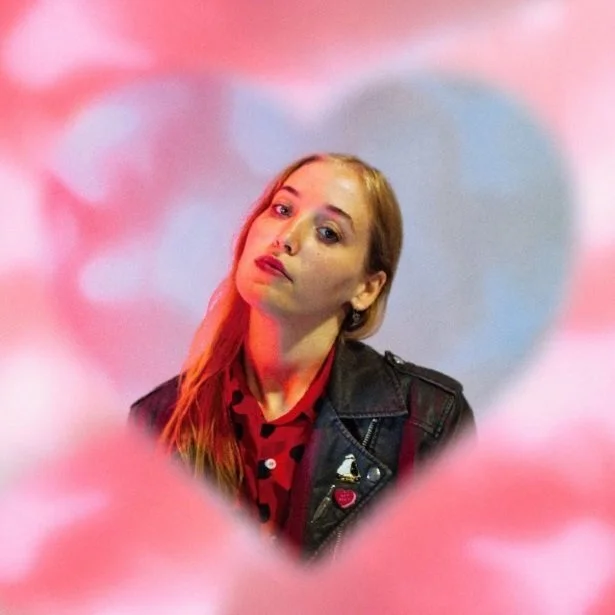
Over the last decade or so, largely due to the immediate availability of pretty much all music, the lines between traditional indie and pop have blurred almost entirely.
Blossoms are the best example of this; lauded as the latest indie heroes but with a sound that has such a sweet sheen that your teeth are in danger of severe rot. Australia’s Hatchie falls into the same category; the songs included on her latest EP Sugar & Spice are all indie songs but delivered through the kaleidoscope of everything that falls within the increasingly wide parameters of pop music.
Pop music is irrevocably linked to the 1980s, but at what point does music stop sounding like it’s from the 1980s and start to sound contemporary? Here we have a clear contender to answer that question and, more importantly, end that comparison.
Without question, Sugar & Spice has all the hallmarks of great pop music; great hooks (‘Bad Guy’), earnestness (‘Try’, an instant pop classic, which it was on release last year) and an edge and diversity to the vocals on the title track. But it also has more than a hint of shoegaze and other reverb-led guitar music. There is a deft psychedelic wistfulness to ‘Sure’ which also echoes both Wolf Alice and the arpeggio-driven highs of The Smiths’ more sumptuous moments.
The rapid fire of ‘Bad Guy’’s chorus, which sounds not unlike Blur’s classic ‘The Universal’, is delivered with a weary breathlessness that perfectly suits Harriette Pilbeam’s (for it is she) vocals. In fact, across the whole EP Pilbeam covers quite a range of emotions without really stretching her lungs too much, which bodes well for when she does let loose.
Heartingly, Hatchie is a multi-instrumentalist in the vein of Peaches and St Vincent. Whilst she is operating in an increasingly competitive field, this offering shows there is certainly room for more.
Otherwise they’d better make some.
DMA’s - For Now

Chances are, if you are reading this review, that Britpop and/or Madchester has had some impact in your life; if you are interested in hearing more, then you’ve definitely come to the right place.
After making a decent splash with first album Hill’s End, the Australians DMAs are back with their sophomore effort, and have a big year ahead of them. As well as some prestigious gigs of their own at Glasgow Barrowlands and the Kentish Town Forum in the pipeline, there is also a support slot with one of their heroes, Liam Gallagher, at Finsbury Park in the offing.
Fortunate then that they are fully prepared; the majority of For Now is designed to soundtrack the summer, by hook or by crook.
Blissful neo-psychedelia pervades the album – so much so that it sounds like instant nostalgia, recreating images of the halcyon summers of youth that never were but feel otherwise. The opening track of the same name explodes like a blast of sunlight through grey clouds in an uncannily similar way to the Stone Roses, while ‘In The Air’ is a dreamy, woozy ballad built around a piercing yet mournful guitar lick.
The Britpop and Madchester comparisons are hard to avoid; on ‘Do I Need You Now?’ vocalist Tommy O’Dell’s vocals eerily echo Tom Clarke of the The Enemy. Sure, it’s cribbing from post-Britpop, but ten years on it’s probably OK. Likewise ‘Break Me’, which steals a chorus or two from Kasabian.
But in truth, the comparisons are mainly built on the group’s fundamental pop sensibilities. ‘Warsaw’ is pure, teeth rotting pop and ‘Lazy Love’ is the best song The La’s, orators of arguably the finest ever pop single, never wrote. Indeed, the whole album is built on elation, which is central to pop music’s DNA. Hang on….
Highlight of the album is ‘The End’, which creates a moody atmosphere all of its own, opening with a disconsolate and earnest vocal from O’Dell before the dark electronic production takes centre stage in propelling the sound forward, accompanied by an earth, rather than sky, scraping guitar motif that Johnny Marr would happily take credit for.
It’s easy to be cynical when the influences are so obvious, but when it’s apparent – as it surely is in this case – that the songs are written as tributes and in deference of a genre or style of music, rather than attempting to cash in on a movement, then that should be respected and appreciated.
In this day and age ‘I’ve heard it all before’ carries less and less weight as an argument against bands. With the wealth of music available, it’s highly likely to have been heard before. But someone, somewhere, won’t have, and if discovering and appreciating For Now leads them to Some Friendly, The Stone Roses or I Should Coco, it would take a cold heart to deny them that pleasure.
And the rest of us can just sit back and enjoy this splendid album.
Mastersystem - Dance Music

And the award for Most Misleading Album Title goes to….Mastersystem. This isn’t dance music as we understand it. This is ferocious, exciting indie music.
A bit of background: Justin Lockey is currently the guitarist with Editors and has been since their fourth album The Weight Of Your Love, joining a few years after Yourcodenameis:milo separated. Justin and his brother (and Minor Victories bandmate) James met Frightened Rabbit drummer Grant Hutchison in Berlin (keeping up at the back?), and the trio bounced around some ideas for a new project. After recording some industrial, melodic noise, Hutchison Junior contacted his brother and F’Rabbit singer Scott to add some vocals.
Scott was in the unusual position – for him – of having nothing to offer to the musical side of the collaboration, and being responsible only for lyrics gives him the chance to unleash, which he seems to welcome with open arms. He has such a distinctive and familiar voice that hearing him over Sub Pop grunge guitars takes some adjustment, but once it clicks you appreciate the weight of throat-wrenching that Hutchison provides here.
The theme of the album is one of saying goodbye to youth and acknowledging middle age, or in Hutchison’s words, ‘about feeling disappointed in one’s self to have reached the age that I am and still not having figured sh*t out’, which is a sentiment we can all relate to, to a lesser or greater extent.
“I’m just a teething child”, he sings on ‘Teething’, unprepared for adolescence let alone adulthood. It’s much more primal and impulsive than Frightened Rabbit, and more explosive than Editors. For his part, Justin Lockey’s work isn’t a million miles away from his main band’s more recent output, but this album emphasises the cavernous muscle he has brought to their sound
Indeed, the whole album is made up of blistering guitars and drums from a wealth of influences – virtually all of them being a) American and b) from the late 20th/early 21st century, in particular Pixies during their imperial phase. The songs copy the well-worn but effective trope of luring you in with a quiet opening or verse before exploding into life.
Opener ‘Proper Home’ is the best example of this and sets the tone for the album well. Single ‘Old Team’, in spite of lyrics such as, “but the days when we were full of it have died”, is an assault on the ear drums, and there is also a mix by Mogwai available, although they would struggle to add some of their notorious volume.
The album rattles through the tracks, and whilst they’re mainly honouring Frightened Rabbit’s sophomore album The Midnight Organ Flight this year, exploring the possibilities that Mastersystem could open up an intriguing and welcome divergence for the Hutchison brothers.
Super-groups are often, quite rightly, approached with caution. Although there are notable exceptions, egos often get in the way, or perhaps it’s the reluctance to give any of their best work away at the expense of their day job. Sometimes, however, the chemistry is undeniable. Dance Music is a gnarly, unexpected and pleasant surprise.
File next to Humble Pie rather than Velvet Revolver.
Unknown Mortal Orchestra - Sex & Food

New Zealand outfit Unknown Mortal Orchestra return to the fray with their first album in three years – however, where the act hail from is becoming less and less relevant.
Their fourth album, Sex & Food, was influenced by and recorded in a variety of different globe-spanning locations including Reykjavik, Mexico City, Seoul and Portland, and the diversity is clearly apparent in the music.
At any given point, psychedelic disco, razor-sharp guitars and funky drum machines are all competing for the listener’s attention. As with their first three albums (the self-titled debut, II and Multi-Love), there is a lot going on. In fact, on first listen it’s actually quite difficult to wade through everything, but given time an appreciation of the variation and effort that has gone in to the record becomes inescapable.
Unknown Mortal Orchestra have always had the ability to sound both modern (Tame Impala comparisons are valid) and retro (the Pretty Things loom large), but no more so than here. ‘The Internet Of Love (That Way)’ belongs in a soul café from days of yonder, whereas first single, the mighty American Guilt, has an almost hip-hop bpm with a great use of snares.
The blaxploitation keys and wah-wah guitar make Major League Chemicals seem like a lost classic, with all instruments taking a turn to be most prominent, while ‘Everyone Acts Crazy Nowadays’ has a chorus that demands attention. It’s disco at its purest and finest.
UMO’s previous album was more synth and percussion led, but this album is primarily a return to guitars, albeit being utilised more experimentally. ‘This Doomsday’ in particular could sit quite comfortably on the first two albums, stripping things back to just voice, guitar and a drum machine which is so low in the mix its only purpose is to keep the song tickling along.
The theme of the album is keyed in with the title; the two greatest pleasures in life, and the focus is generally positive in these depressing times. But to accentuate the positive, one must at least acknowledge the negative, and the whiff of modern day paranoia creeps into the lyrics; the chorus of ‘Ministry Of Alienation’ is built around the refrain, “can’t escape the 20th century”. Generally speaking though, with such lush production the lyrics often take a back seat.
Either through various effects added to the vocals, or through Ruban Nielson’s range, his voice doesn’t alternate much and it can be quite hard to make the lyrics out, but the emotion is always apparent and they perfectly fit the vibe of their accompanying song. The standout track is ‘Hunnybee’, named after Nielson’s daughter, which is glorious funky pop that shows Bruno Mars how it’s really done.
The song titles alone make this an album worth investigating. As well as all of the above, if songs entitled ‘Chronos Feasts On His Children’ and ‘A God Called Hubris’ aren’t worth your time then nothing is.
Fortunately it is time well spent, and more than once at that.
Sunflower Bean - Twentytwo In Blue

Sunflower Bean’s debut album Human Ceremony was unveiled to the world in 2016 with no little hype and fanfare.
It came with a mission of intent from the band itself. Simply put, it was an act of rebellion against the anti-rock and roll of the New York scene. It was a strong effort for a debut but, perhaps owing to the band forming only three years previously, suffered most from being full of potential, and nothing is more frustrating than when potential is not fulfilled.
There are absolutely no worries here on that score; Twentytwo In Blue is a significant leap forward. Produced by Jacob Portrait of Unknown Mortal Orchestra, a substantial amount of meat has been added to the bones of their sound. It comes out of the traps strongly, opener Burn It wouldn’t sound out of place on a 70s edition of Top Of The Pops 2 so indebted is it to glam rock. Second single ‘Crisis Fest’, also cut from Bolan-esque hues, is a rallying call to arms to a disenfranchised generation; “If you keep us down you know that we can shout”. It’s a modern day ‘Children Of The Revolution’ and acts as a perfect accompaniment to these tumultuous political times. In fact, the entire album sounds like a glam act covering Sunflower Bean. This is a very good thing.
The theme of the album, as alluded to by the title, is one of finding your place in the world and in turn becoming more aware of how it works. Lead single ‘I Was A Fool’, released late last year, is a glistening duet between singer (and bassist) Julia Cumming and guitarist Nick Kivlen which eulogises about the pros and cons of all-consuming love.
All of the band have now turned twenty-two (see what they did there?) so, naturally, love is a subject matter the album keeps coming back to. The title-track sounds like it could accompany the compulsory montage in a romantic film (indeed the whole record often has a cinematic feel), while Cumming’s tender vocals could be mistaken for First Aid Kit. Only A Moment is an ethereal, waltz-like ballad, ‘Any Way You Like’ supplemented by a mini orchestra, adding to its drama.
It’s not all sentiment; ‘Human For’ breaks things up and gives the musicians the chance to flex their muscles, the three-piece winding around each other to create an intense burst of proficient musicianship, while Sinking Sands has a great outro which highlights Kivlen’s axeman-ship.
The album ends on both an optimistic and wistful note. Despite its title, ‘Oh No, Bye Bye’ offers hope for whatever our uncertain futures may hold; Kivlen takes lead vocals as the male protagonist in the story with Cummings cooing, “At least we would have each other, and I think it would be alright”.
The way the band structure their songs hasn’t particularly changed from Human Ceremony, but their sound has evolved from psyche-sodden missives to something more wholesome. A fine piece of work.